Redundancy Illusions: Why N+1 Cooling Can Mask Single Points of Failure
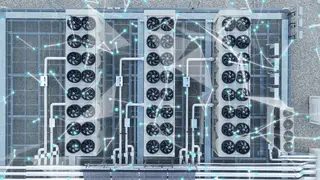
Standard N+1 redundancy in data center cooling systems may create a false sense of security by obscuring shared control dependencies that can turn multiple cooling units into a unified failure point. Proper design requires testing and commissioning strategies that verify true resilience under degraded operating conditions. Understanding these hidden vulnerabilities is essential for ensuring reliable cooling performance when systems are stressed.
Data center operators frequently implement N+1 cooling redundancy—a system where one additional cooling unit exists beyond minimum capacity requirements. However, this architectural approach can create vulnerability when multiple cooling components share common control systems or dependencies. A failure in shared infrastructure like monitoring software, power distribution, or management logic can disable several supposedly independent units simultaneously, negating the intended redundancy benefit and creating unexpected single points of failure across the cooling system.
Effective mitigation requires rigorous testing protocols during commissioning and ongoing operation. Organizations must validate that cooling systems maintain adequate performance during degraded conditions, not merely assume redundancy exists based on unit count. This verification process identifies hidden architectural weaknesses before they manifest as actual outages, ensuring that redundant designs deliver the resilience they promise rather than providing false assurance.
Data center reliability directly affects enterprise operations, cloud services, and digital infrastructure availability. Organizations relying on hosted services could face unexpected downtime if cooling failures go undetected due to misunderstood redundancy architecture. Hyperscalers and colocation providers managing customer workloads may face financial and reputational consequences from preventable failures. This story may encourage infrastructure teams to audit existing cooling designs and strengthen testing practices, potentially reducing operational risk across the industry.