Early-Onset Cancer Diagnoses Rising Among European Youth
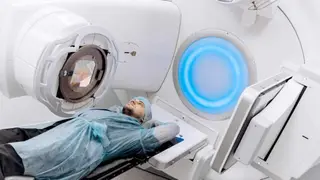
European research indicates a growing number of young people in their 20s and 30s are receiving cancer diagnoses, particularly for early-onset breast and bowel cancer in Western countries. Researchers attribute the trend to lifestyle factors and environmental changes, though these explanations do not fully account for the increases. EU countries are developing responses to address this public health concern affecting younger populations.
Cancer diagnoses among individuals in their twenties and thirties have become increasingly common across Europe, with breast cancer and bowel cancer showing particularly notable growth in Western regions. Young patients are increasingly using digital platforms to document their experiences and discuss how these diagnoses have fundamentally altered their personal circumstances and futures.
The precise causes remain unclear to the scientific community. While researchers have identified certain lifestyle choices and environmental shifts as contributing factors, these alone do not fully explain the observed increases, suggesting additional unknown variables may be at play.
This trend could significantly impact European healthcare systems, which may face pressure to expand screening and treatment resources for younger populations. Affected individuals could experience substantial economic and social consequences, including disrupted education and career trajectories. The incomplete understanding of causation may drive increased research funding and public health initiatives across EU member states, while families and communities could experience heightened awareness and concern about cancer risk factors previously associated with older age groups.