Pyongyang Rejects Seoul's Apology Demand Over Border Mine Incident
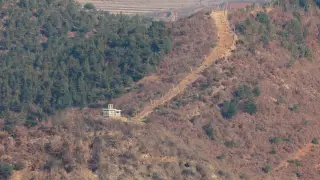
North Korea's Kim Yo Jong dismissed South Korea's demands for an apology regarding a demilitarized zone landmine blast that injured three soldiers last month, calling the request despicable. The incident represents continued tensions along the heavily fortified border where North Korea has intensified military preparations since designating South Korea as its principal enemy in 2024. South Korea's new president has pursued a diplomatic approach with nuclear-armed Pyongyang, though Kim Yo Jong's rebuke signals limited receptiveness to reconciliation efforts.
The landmine incident occurred within the DMZ, a fortified buffer zone established following the 1953 armistice that technically left the two nations in a state of ongoing conflict rather than peace. North Korea's recent military buildup along the border includes not only mines but also anti-tank barriers, reflecting a deliberate strategy to physically seal the frontier after declaring South Korea an adversary in 2024.
President Lee's administration represents a shift toward engagement with the North, contrasting sharply with his predecessor's more confrontational approach. Lee has proposed conditional talks aimed at reducing military tensions, though his overtures have been met with public dismissal from Pyongyang's leadership, complicating prospects for diplomatic progress.
The rejection of South Korea's apology demand could affect regional stability by foreclosing near-term diplomatic channels between the neighbors and potentially emboldening further military provocations along the border. South Korean border communities may face continued security risks and disruption. Additionally, the incident may influence how the incoming Trump administration engages with North Korea on nuclear matters, potentially sidelining Seoul's voice in negotiations that could reshape the peninsula's security arrangement.