AI demand drives extended RAM shortage through 2028, pushing prices higher
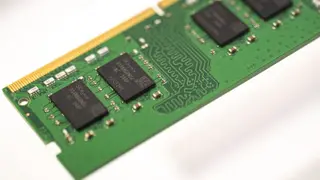
Executives at major memory manufacturers Micron and Samsung have indicated that RAM shortages will persist for at least two more years, with manufacturing capacity prioritized for AI and server applications at the expense of consumer devices. Micron's CEO stated that 75 percent of the company's 2027 memory output is already committed, and prices for future deliveries significantly exceed current rates. The shortage stems from surging demand for high-bandwidth memory needed for larger AI models and enterprise applications.
The shortage reflects a fundamental shift in manufacturing priorities within the memory industry. Micron and Samsung, the sector's largest producers, are increasingly dedicating fabrication capacity to high-bandwidth memory chips essential for AI infrastructure and data center operations rather than consumer-grade RAM. This reallocation stems from explosive demand for larger AI models requiring substantially more memory resources than previous generations of computing applications.
The supply constraint will extend well beyond current timelines due to production realities. New manufacturing facilities planned for 2028 will take considerable time to reach full operational capacity, and technical transitions to advanced memory architectures offer diminishing efficiency gains per production unit. With 75 percent of Micron's 2027 output already committed and prices for future deliveries substantially elevated, the company signals no near-term resolution despite capital investments in expanded production.
This prolonged shortage may significantly impact consumer technology pricing and specifications through 2028. PC builders and device manufacturers could face higher component costs, potentially translating to elevated prices for laptops, smartphones, and gaming systems. Consumers may encounter devices with reduced memory configurations at comparable or higher price points. Conversely, enterprise and AI sectors benefit from prioritized access to advanced memory technologies, potentially accelerating artificial intelligence deployment while slowing consumer hardware advancement.