Great Barrington's Ambulance Funding Struggles While Other Towns Approve Budgets
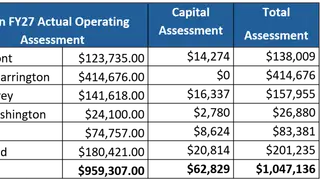
The Southern Berkshire Ambulance Squad faces its third funding request to Great Barrington voters in a single year, while five neighboring towns approved their assessments in routine spring meetings. Despite generating 80 percent of the ambulance service's call volume, Great Barrington pays 40 percent of operational costs and has committed zero funding toward fiscal 2027 capital costs, creating a repeated cycle of special town meetings and funding shortfalls. The disparity illustrates how procedural differences between municipalities affect the stability of critical emergency services.
Great Barrington's ambulance service operates across six municipalities with markedly different funding approaches. While five neighboring towns—Alford, Egremont, Monterey, Mount Washington, and Sheffield—incorporated their annual ambulance assessments into standard spring budgets, Great Barrington has required three separate funding votes in a single calendar year. The funding formula itself creates additional strain: assessments are calculated based on property values rather than emergency call volume, meaning Great Barrington subsidizes nearly half the service's operating costs while generating the majority of demand.
The timing of Great Barrington's funding challenges reflects procedural decisions made throughout the fiscal year. Initial budget shortfalls for operations triggered a June special meeting, while equipment purchases for new ambulances required a separate October vote. These repeated requests strain both municipal resources and administrative capacity, with each special meeting incurring approximately $6,000 in costs.
Fragmented funding mechanisms for regional emergency services may affect response reliability and resource planning. When a municipality cannot commit to routine budget cycles, ambulance services may face staffing constraints, equipment delays, and operational uncertainty. The disparity could incentivize service consolidation across towns, though such reorganization typically faces local governance obstacles. For residents across the six-town region, inconsistent municipal approaches to emergency funding may ultimately influence service quality and sustainability.