Indian women demand street safety reforms following alleged gang rape in New Delhi
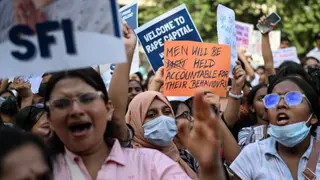
Thousands of women across India have organized demonstrations demanding stronger protections against sexual violence, prompted by the suspected gang rape of a 17-year-old student in an upscale New Delhi neighborhood. Rather than accepting proposed restrictions on their public access, protesters are calling for systemic changes to make streets genuinely safer. The movement highlights disagreements between authorities and activists over how to effectively address gender-based violence.
The demonstrations emerged following an alleged assault on a teenage student in a wealthy area of New Delhi, an incident that galvanized public attention on systemic vulnerabilities affecting women's safety. Rather than accepting government proposals that would restrict female mobility in public spaces, demonstrators are advocating for comprehensive institutional reforms and improved protective infrastructure. The divergence between official responses and grassroots demands underscores competing philosophies about addressing sexual violence—whether through limiting women's presence or through fundamental changes to law enforcement and urban design.
This movement could significantly influence policy discussions around gender-based violence prevention across India's urban centers. The protests may shape how authorities approach public safety initiatives, potentially redirecting resources toward enforcement mechanisms and environmental design rather than mobility restrictions. Women's participation in these demonstrations could strengthen advocacy networks and establish precedent for future mobilization on safety issues, while the dialogue between activists and government officials may determine which prevention strategies receive funding and implementation priority in coming years.