Brazil's Presidential Race Tests Latin American Attitudes Toward Trump
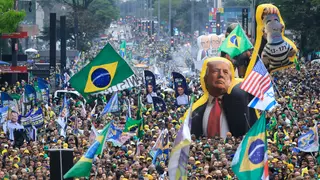
Brazilians head to the polls in general elections featuring a tight race between incumbent leftist President Lula and right-wing Senator Flávio Bolsonaro, with the contest serving as a major indicator of regional sentiment toward U.S. President Trump's aggressive policies. The two leading candidates present starkly divergent positions on foreign policy, environmental governance, and democratic institutions. Bolsonaro, the eldest son of former President Jair Bolsonaro who remains under house arrest for coup-plotting, has pledged to pardon his father if elected.
Brazil's upcoming presidential election features a competitive matchup between the sitting leftist president and a right-wing senator whose father, a former head of state, faces serious legal consequences for alleged involvement in an attempted coup. The younger candidate initially struggled to build campaign momentum but has recently gained ground in polling, drawing level with his opponent. Political organizational strength within the leading opposition party has contributed to this shift, alongside media attention on corruption allegations against judicial figures.
The election reflects broader regional tensions regarding U.S. foreign policy direction. The candidates present fundamentally opposing approaches to Brazil's international relationships, environmental stewardship, and institutional governance. Military constituencies represent a particularly contested demographic, as Lula has prioritized defense sector investment as part of his platform messaging around national sovereignty and independence.
The outcome could significantly influence how Latin American governments engage with U.S. policy initiatives in the coming years. A victory for either candidate may reshape regional diplomatic alignment, trade relationships, and approaches to environmental governance in the Amazon region. The election may also signal broader public attitudes across Latin America regarding democratic institutions and the consequences of institutional challenges to established governance, potentially affecting voter behavior in other upcoming regional contests.