AI Fears Fuel Rising Wave of Extremist Violence and Anti-Tech Activism
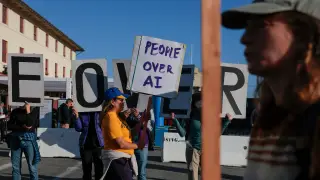
Mainstream concerns about artificial intelligence triggering existential threats have coincided with an emerging pattern of violence motivated by anti-AI sentiment that creates new forms of radicalization beyond traditional ideologies. Tech industry leaders including OpenAI's Sam Altman and Anthropic's Dario Amodei have acknowledged fears that advanced AI could pose extinction-level risks, prompting calls for slowing development. The movement encompasses diverse grievances including ecological damage from data centers, privacy violations, and threats to creative professions, generating novel terrorist targeting frameworks.
Recent months have witnessed high-profile incidents connecting anti-AI activism to physical violence. A residential attack on a major tech executive and an armed assault on a municipal official who supported data center development both included explicit anti-AI messaging, signaling a shift in extremist targeting patterns. These events reflect growing public unease about artificial intelligence's societal consequences, spanning concerns from environmental degradation linked to computing infrastructure to employment displacement in creative industries.
The emergence of AI-motivated violence distinguishes itself through ideological flexibility. Unlike traditional extremism tied to specific political or social frameworks, anti-AI grievances can be absorbed into existing radical movements or motivate isolated actors independently. This adaptability creates unpredictable threat landscapes where potential targets range from technology leaders to elected officials and physical infrastructure, unified primarily by perceived connection to AI advancement.
AI-motivated extremism could reshape national security priorities and law enforcement resource allocation, requiring agencies to develop new threat assessment frameworks distinct from conventional ideological categories. Such violence may also influence corporate decision-making on expansion projects and public policy regarding technology regulation. Additionally, continued incidents could affect talent recruitment in the AI sector and alter public discourse on innovation, potentially impacting competitive advantage in emerging technologies where international competition remains intense.