Master Pixel Camera Limitations With Advanced Techniques and Settings Adjustments
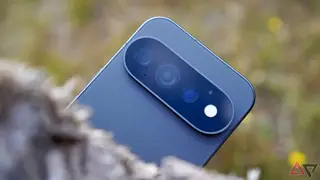
Google Pixel cameras possess inherent limitations that cannot be overcome through hardware upgrades alone, requiring users to develop workaround techniques and compositional strategies. Astrophotography mode exemplifies these constraints, demanding stable placement and extended exposure times to produce sharp results in low-light conditions. Understanding and working within the camera system's parameters allows photographers to maximize output quality despite technical shortcomings.
Google Pixel phones employ computational photography to compensate for hardware constraints, yet certain features demand specific user techniques to function effectively. Astrophotography mode, for instance, requires the device to remain completely stationary while capturing multiple long exposures that are later combined into a single image. The phone's gyroscope actively monitors for movement and will revert to standard Night Sight mode if vibrations are detected, necessitating careful placement on stable surfaces before image capture begins.
Thermal management presents another challenge for extended video recording, particularly in warm environments. The Tensor G3 processor generates substantial heat during intensive tasks like 4K video recording, with the device throttling performance once temperatures exceed manufacturer specifications. Users in regions with consistently warm weather may find that recording at lower resolutions or using alternative capture modes extends shooting duration and prevents forced interruptions from thermal warnings.
This story may influence how Pixel users approach mobile photography and videography by reframing hardware limitations as manageable constraints rather than deficiencies. Readers could adopt described workarounds to achieve better results within their device's capabilities, potentially affecting purchasing decisions of those seeking phones optimized for specific shooting scenarios. The emphasis on technique over equipment may also shape broader consumer expectations about computational photography's role in smartphone imaging performance.