Displaced Yemenis Face Critical Healthcare Access Crisis in Temporary Shelters
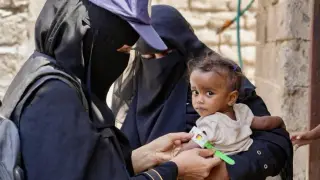
Thousands of Yemenis displaced by recent Houthi-related fighting are struggling to access basic medical services despite reaching safer areas in Aden and Lahj. The displacement has affected nearly 200,000 people according to government records, with medical facilities located 4-10 kilometers from shelter sites that now host over 6,500 people facing fuel shortages and rising costs that prevent treatment-seeking. Organizations like Doctors Without Borders report treating wounded individuals, malnourished children, pregnant women, and elderly patients who cannot afford medicines or transportation to clinics.
The displacement crisis stems from escalating violence in Yemen's western regions, particularly Hodeidah and Taiz provinces, with fighting intensifying along the coastal areas. By late September, official counts documented approximately 200,000 people displaced, though numbers have grown substantially since initial assessments. The shelter sites, concentrated in Aden and Lahj governorates, now accommodate populations that have sometimes doubled from their original capacity.
Medical teams conducting initial assessments identified widespread health deficiencies among the displaced population, including inadequate prenatal care, incomplete vaccination coverage, and untreated chronic conditions. The geographic separation between shelters and functional medical facilities—ranging from 4 to 10 kilometers—becomes insurmountable for families lacking transportation resources or funds for treatment, compounding vulnerabilities already created by displacement and poverty.
This healthcare access gap could significantly impact Yemen's already fragile public health outcomes, potentially increasing maternal and child mortality rates in displaced populations. The strain on existing medical infrastructure may limit services available to host communities as well. Without expanded medical interventions reaching shelter sites, preventable diseases could spread among concentrated populations, creating secondary humanitarian consequences. The situation illustrates how armed conflict disrupts healthcare systems beyond direct combat casualties, affecting disease prevention and chronic disease management for vulnerable groups.