Los Angeles Fire Response Plagued by Coordination Breakdowns, New Report Reveals
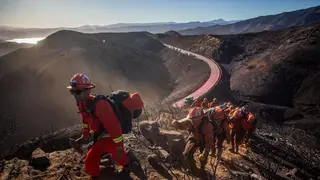
A comprehensive 724-page report examining last year's Los Angeles area wildfires found that emergency responders suffered from severe coordination failures, including 911 dispatchers routing calls through a captain's personal cellphone and firefighter units going "dark" as communications collapsed. The report attributed the failures to inadequate preparation, training, and leadership coordination across multiple jurisdictions during the overwhelming situation. Researchers concluded that authorities were unprepared for the extreme conditions and that confusion among leadership hampered evacuation efforts.
The 2025 Los Angeles wildfires exposed significant vulnerabilities in the region's emergency management infrastructure. When the Eaton Fire rapidly expanded, the volume of incoming 911 calls overwhelmed dispatch capacity, forcing operators to rely on improvised solutions like routing communications through a captain's personal phone. The situation deteriorated as multiple agencies failed to maintain awareness of firefighter locations and activities, with some crews operating independently rather than following established command structures.
The ULRI investigation identified systemic preparation gaps as a root cause. Emergency responders lacked adequate training protocols for handling fires of such magnitude and speed, and coordination mechanisms between jurisdictions proved inadequate when the disaster unfolded. Additionally, the report confirmed that the Palisades Fire originated from incomplete cleanup of a prior burn, highlighting operational and procedural deficiencies that preceded the emergency response itself.
This report may influence how California allocates resources for emergency preparedness and inter-agency coordination infrastructure. Residents in fire-prone areas could see modifications to evacuation procedures and 911 systems, while the findings may prompt policy discussions about mandatory training standards and unified command protocols. The assessment could also affect liability considerations and insurance practices, though the broader implications depend on whether local and state officials implement the report's recommendations and whether similar vulnerabilities exist in other regions.