Kennedy Center Honors Relocates to Arena Venue Due to Building Closure
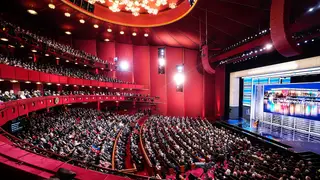
The Kennedy Center announced that this year's Kennedy Center Honors ceremony will be held at Capital One Arena in Washington, D.C., marking the first time in nearly 50 years the event will not take place at its traditional venue. The main Kennedy Center building has been closed since mid-September following a partial ceiling collapse in the Grand Foyer, with safety assessments still ongoing and a two-year renovation period anticipated. The December 7 ceremony will move to a 20,000-seat arena, significantly larger than the center's traditional 2,300-seat Opera House venue.
The Kennedy Center shuttered its main performance spaces on September 15 following structural damage discovered in the Grand Foyer. Safety experts and leadership determined the building posed risks to occupants and required immediate closure, with assessments suggesting a two-year reconstruction timeline. The shift to Capital One Arena represents a logistical adjustment for an institution with deep Washington tradition, though the larger venue's capacity presents operational differences for an event typically designed for an intimate theater setting.
The relocation occurred amid separate litigation concerning the building's future. The current administration has conditioned renovation work on renaming the facility, while federal courts have repeatedly rejected such proposals. The center's leadership has indicated the closure status will be reassessed weekly as safety evaluations progress.
This venue change may affect attendance patterns, given the arena's significantly larger seating capacity compared to the traditional intimate Opera House setting. The incident raises broader questions about aging cultural infrastructure maintenance and funding priorities in major U.S. cities. Additionally, the dispute over renovation conditions and building renaming could influence public perception of how federal buildings are managed and the relationship between executive leadership and established cultural institutions. The extended closure period may impact the center's operational revenues and programming flexibility.