U.S. Power Grid Faces Capacity Crunch as Electricity Demand Surges
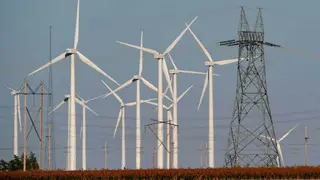
Rising electricity demand from data centers, electric vehicles, and heat pumps is overwhelming U.S. transmission capacity, driving up utility costs and threatening climate progress. Building new transmission lines typically takes a decade or longer due to permitting delays, forcing continued reliance on fossil fuel power plants. A bipartisan bill aims to streamline transmission permitting, but lawmakers face tight deadlines to pass reforms before consequences mount.
The U.S. electricity infrastructure has remained largely unchanged for decades, with demand growing only modestly until recently. However, the emergence of energy-intensive data centers, widespread adoption of electric vehicles, and increased use of heat pumps and cooling systems have fundamentally altered consumption patterns. The Department of Energy now projects that transmission capacity must increase between 100% and 300% by mid-century to accommodate this surge while maintaining grid stability and affordability.
The permitting process represents a critical bottleneck. While constructing new transmission infrastructure could alleviate congestion and enable greater integration of renewable energy sources, the regulatory pathway typically stretches ten years or longer at the federal level. Texas demonstrated faster progress through state-level incentives, completing nearly 3,000 miles in a single year, suggesting that streamlined approval mechanisms could accelerate nationwide expansion.
This capacity shortage could affect multiple stakeholders across the economy. Residential consumers may face continued electricity rate increases, potentially straining household budgets. Industries reliant on reliable power—including data centers, manufacturers, and electric vehicle charging networks—could experience service constraints or higher operational costs. Conversely, delayed transmission expansion may inadvertently prolong fossil fuel dependence, potentially slowing decarbonization efforts. The outcome may hinge on whether permitting reforms pass Congress, making the policy debate consequential for grid modernization and energy affordability.