Cincinnati Funds Grassroots Climate Projects Through Community Grants Program
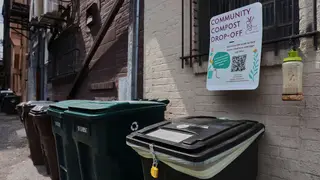
Cincinnati's Seeds of Change initiative has distributed almost $1 million in grants to over 170 community-based climate projects in its first three years, particularly benefiting underserved neighborhoods. The program provides $5,000 to $20,000 grants to support initiatives including community gardens, composting, solar installations, and bike repair programs. City officials view the funding as a way to empower residents to lead local climate action and build community resilience.
Cincinnati developed the Seeds of Change initiative after conducting extensive community input sessions where residents proposed thousands of ideas for addressing climate challenges. Rather than implementing all suggestions through city government alone, officials recognized an opportunity to fund projects that community members themselves wanted to lead and develop.
The program distributes relatively modest grants—between $5,000 and $20,000 per project—to support diverse climate-related initiatives. Over three years, nearly $1 million has reached more than 170 projects, with particular emphasis on neighborhoods historically lacking resources and investment.
This funding model could shift climate responsibility toward grassroots participants rather than concentrating efforts at the government level. Residents in underserved areas may gain increased agency in addressing local environmental challenges, potentially building both climate resilience and community leadership capacity. However, the program's long-term impact depends on sustained funding, volunteer capacity, and whether small-scale projects create measurable emissions reductions or primarily serve as educational and community-building initiatives.