Republicans' Baseless Attacks on Trump's Prosecutor Reveal Dangerous Conspiratorial Tactics
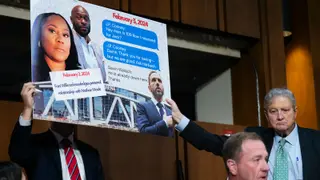
Missouri Senator Eric Schmitt faced ridicule during a Senate Judiciary Committee hearing where he made unfounded accusations that former special counsel Jack Smith conspired with Atlanta prosecutor Fani Willis, claims rooted in internet conspiracy theories rather than evidence. The embarrassing confrontation, including Schmitt's misreading of a basketball schedule to support his allegations, reflects the depths to which Republican lawmakers will go to discredit Trump's prosecutors. Beyond the comedy of the moment lies a more troubling pattern of systematic efforts to undermine the legal investigations into the former president.
During a Senate Judiciary Committee proceeding, Missouri Senator Schmitt presented evidence he believed demonstrated collusion between the former special counsel prosecuting Trump cases and the Georgia prosecutor handling separate charges against the former president. His theory centered on a specific basketball game scheduled in Atlanta, which he interpreted as suspicious timing for a meeting. However, his analysis overlooked women's college basketball games occurring that same evening, suggesting incomplete research methodology.
Beyond this incident, other Republican lawmakers pursued similar investigative angles. The Senate Judiciary Committee chairman questioned Smith about alleged connections to a former intelligence official, claims that Smith denied. Following the hearing, a Tennessee senator filed legal action contending that Smith's prosecutorial activities violated constitutional protections afforded to legislators, representing an escalating effort to challenge the investigations through judicial channels.
These developments may influence how prosecutorial independence and congressional oversight interact going forward. The pattern of legal challenges and investigative hearings could affect the operational environment for special counsels and independent prosecutors. Additionally, the incident illustrates broader questions about how legislative bodies scrutinize executive branch investigations—whether such oversight strengthens accountability or potentially compromises investigative impartiality depending on one's perspective on institutional balance.