Premium ergonomic seating options offer different comfort features at varying price points
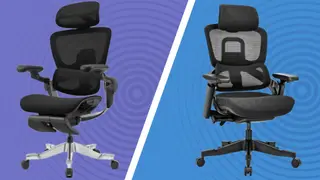
Hinomi's H2 Pro and H2 Classic ergonomic office chairs both feature extensive adjustability, with the Pro model offering 19 customization points and advanced lumbar support at $599 (down from $759), while the Classic provides a cushioned alternative at $469 (reduced from $599). The Pro edition includes features such as 3D independent lumbar support, tiltable components, and breathable mesh construction that set it apart from the more affordable Classic model. For professionals spending extended hours at a desk, the additional $130 investment in the Pro delivers substantial ergonomic enhancements.
Hinomi's H2 product line addresses a common consumer dilemma: balancing budget constraints with long-term health considerations. The Pro model distinguishes itself through advanced lumbar customization and mesh construction designed for temperature regulation during extended sitting sessions. Meanwhile, the Classic prioritizes immediate comfort through cushioned materials, appealing to users who prioritize tactile softness over technical adjustability. Both chairs incorporate aluminum frames supporting substantial weight capacities, suggesting durability across price tiers.
The timing of these discounts coincides with major retail events, making comparative shopping accessible for remote workers evaluating furniture investments. Hinomi's foldable design feature on the Pro model represents an unusual functionality in the mid-premium category, potentially addressing space constraints for home office environments. Historical pricing data shows consistent promotional patterns, with both models receiving substantial markdowns from suggested retail prices.
The ergonomic seating market may influence workplace productivity and long-term health outcomes for desk-dependent professionals. Accessibility across price points could broaden adoption of evidence-based seating design beyond corporate budgets. However, these improvements remain financially inaccessible to many workers, potentially widening wellness disparities. The emphasis on customization features may reflect growing recognition that individual body variations require personalized solutions, though whether most users utilize maximum adjustment capabilities remains unclear.