Essential Insights Into Neuronal Structure and Brain Function
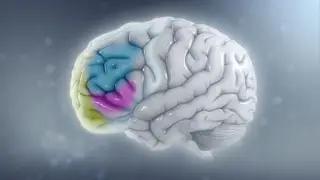
The human brain contains approximately 86 billion neurons that work in concert to enable perception, memory, and learning capabilities. These neural cells form the biological basis for recognizing sensory input, storing experiences, and acquiring new knowledge. Understanding fundamental neuron facts provides insight into how the brain processes information and controls bodily functions.
The human brain's neural architecture relies on roughly 86 billion interconnected cells that collectively enable core cognitive functions including perception, information storage, and skill development. These neurons communicate through electrochemical signals to process incoming sensory data and coordinate responses throughout the body. By studying how individual neurons function and interact within larger networks, researchers gain fundamental knowledge about the mechanisms underlying consciousness and behavioral control.
Recent neuroscience advances have expanded beyond basic anatomical understanding to practical medical applications. Scientists are now developing brain implants and imaging technologies that can interface directly with neural tissue to restore lost sensory capabilities and treat neurological conditions, as demonstrated by emerging work in artificial vision and tumor surgery guidance systems.
Advances in neuronal research could significantly benefit patients with neurological injuries, degenerative diseases, and sensory impairments. Understanding neural structure and function provides the foundation for developing targeted therapies and implantable devices. Such progress may expand treatment options for conditions currently lacking effective interventions, potentially improving quality of life for millions affected by brain and nervous system disorders across multiple age groups.