School strikes escalate into widespread unrest across France amid education worker grievances
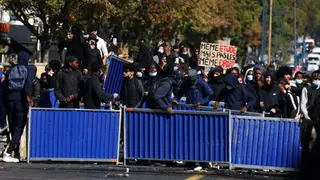
Beginning with isolated high school protests over overcrowded schedules and staffing shortages, demonstrations have expanded across France into hundreds of protests with escalating violence in some cases. The movement has morphed beyond education concerns, with incidents including school fires, attacks on firefighters and police, and government accusations that far-left agitators are exploiting genuine grievances for political purposes. Education union leaders dispute claims of coordinated political manipulation while addressing the underlying demands for better school conditions.
France's education sector has been gripped by escalating demonstrations that began in mid-September with student complaints about overcrowded classes and insufficient staffing at institutions across Brittany, Normandy, and the Paris suburbs. What started as localized grievances gained momentum through social media amplification, particularly after a student interview circulated widely on TikTok, eventually mobilizing hundreds of concurrent protests nationwide.
The movement has undergone a significant transformation, with some demonstrations now featuring violence including arson attacks on school buildings, assaults on emergency responders, and confrontations with law enforcement. Government officials have attributed the escalation to exploitation by far-left political actors seeking to capitalize on legitimate education concerns ahead of upcoming elections—a characterization disputed by education unions and the political left.
This unrest could substantially impact France's education system and public safety depending on its duration and scale. Students face disrupted schooling, teachers experience workplace instability, and emergency services contend with dangerous conditions. The movement may influence electoral dynamics and education policy priorities if underlying staffing and facility concerns remain unaddressed. The characterization of protests as politically manipulated versus grassroots-driven will likely shape government response strategies and public perception of both the education sector's needs and protest movements more broadly.