Emergency Response Drones Tested in U.S. Cities as Privacy Questions Mount
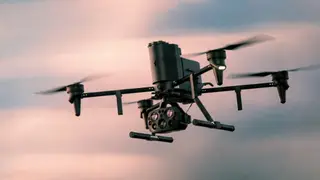
Several U.S. cities are piloting Flock's Drones-as-First-Responder system, which automatically deploys camera-equipped drones from rooftop docks in response to 911 calls and emergency alerts. Fort Worth's two-month pilot showed average response times of 112 seconds, with drones arriving first in 76 calls and allowing authorities to resolve 11 incidents without dispatching officers. The initiative is gaining traction in multiple jurisdictions but faces resistance from privacy advocates concerned about surveillance capabilities.
Flock's autonomous drone system represents a significant advancement in emergency response technology. The company acquired drone manufacturer Aerodome to integrate high-definition video and thermal imaging capabilities into its platform, which automatically deploys units from rooftop stations upon receiving 911 calls or alerts from gunshot detection systems. The drones transmit real-time footage directly to dispatchers and first responders in the field, enabling faster situational assessment.
The Fort Worth pilot demonstrated measurable operational benefits, with drones arriving before traditional units in nearly half of 162 deployments and enabling authorities to resolve incidents without physical officer dispatch in some cases. However, multiple jurisdictions including Berkeley and Bridgeport have rejected similar proposals, citing data privacy concerns and worries about potential information sharing with federal immigration enforcement agencies, despite Flock's assertions that it maintains no such partnerships.
Emergency drone deployment could reshape how cities allocate public safety resources and respond to crises, potentially reducing response times and officer safety risks. However, widespread adoption may establish new surveillance infrastructure that could affect residents' expectations of privacy in public spaces. The divergent local responses suggest communities are weighing operational efficiency benefits against concerns about data governance, regulatory oversight, and whether technological capabilities could eventually enable uses beyond their stated emergency purposes. These decisions may influence how other municipalities approach similar technologies.