U.S. Security Alliances Undergo Strategic Restructuring
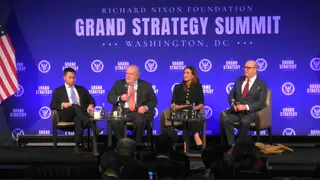
The Hudson Institute examines how American international security partnerships are being reconfigured in response to shifting global threats and geopolitical dynamics. The analysis assesses the current state and future direction of America's alliance network across various regions and strategic priorities.
The analysis from the Hudson Institute addresses a fundamental shift in how the United States structures its international security relationships. Rather than maintaining a static alliance architecture, American policymakers are reassessing commitments and partnerships in response to emerging global challenges and the evolving distribution of power among nations. This examination reflects broader recognition that security threats and strategic priorities have transformed since many existing alliances were originally established.
The institute's work considers how different regions—each facing distinct security environments—may require tailored approaches to American engagement. This regional assessment suggests that a one-size-fits-all alliance model may no longer serve contemporary strategic needs, prompting officials to evaluate which partnerships require strengthening, modification, or potential recalibration to address modern geopolitical competition and emerging security challenges.
This restructuring could affect multiple constituencies: allied nations awaiting clarity on American commitment levels, defense contractors bidding on modernized security frameworks, and domestic constituencies concerned about military expenditure and overseas deployments. Policymakers and analysts may debate whether realigned alliances strengthen deterrence or create uncertainty among partners. The reconfiguration also carries implications for global stability, potentially influencing how regional powers assess the balance of power and calculate their own strategic positioning.