Taiwan takes delivery of first advanced F-16 fighters after years of production delays
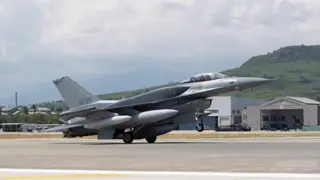
Taiwan received its first two Lockheed Martin F-16 Block 70 fighter jets, which landed at an eastern airbase after multiple years of postponed deliveries caused by production facility relocation and supply chain disruptions. The island ordered 66 of the advanced aircraft in 2019, with these initial jets featuring conformal fuel tanks and upgraded engines compared to Taiwan's existing F-16 fleet from the early 2000s. Full operational capability is expected to develop gradually as the air force completes training and integration of the new fighters.
Taiwan's acquisition addresses a significant modernization need for its air defense capabilities. The island's existing fighter inventory relied on aircraft from the early 2000s, making the introduction of Block 70 variants—equipped with advanced radar systems and enhanced fuel capacity—a substantial upgrade to operational range and detection capabilities. The shift from older engine technology to General Electric's F110 model also represents a performance improvement in the new aircraft.
The production timeline reflects broader manufacturing challenges affecting defense contracts globally. Lockheed Martin's facility transition from Texas to South Carolina, compounded by supply chain constraints and weather-related transport complications, illustrates how infrastructure decisions and external disruptions can extend delivery schedules for complex military systems by multiple years.
The delivery may strengthen Taiwan's defensive posture amid regional security considerations, potentially affecting military balance calculations in the Indo-Pacific. The gradual integration process could influence Taiwan's operational readiness over coming years. For allied nations monitoring regional stability, the modernization of Taiwan's air force could factor into assessments of deterrence capabilities. The lengthy acquisition timeline also underscores challenges defense manufacturers face in meeting strategic commitments during periods of supply chain volatility.