Repurposing Older Android Phone as Dedicated High-Quality Music Player
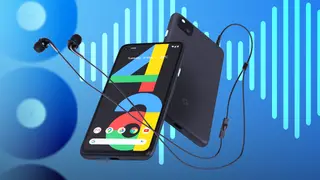
An Android Police writer transformed an older Pixel 4a smartphone into a dedicated music player to take advantage of its headphone jack and support for lossless audio formats like FLAC. The device serves as a portable alternative to bulkier digital audio players while providing superior audio quality compared to wireless earbuds and avoiding the need for dongles. The Pixel 4a's existing hardware specifications and music app compatibility make it suitable for daily listening during walks and workouts.
The Pixel 4a's built-in digital-to-analog converter delivers sufficient audio fidelity for everyday listening through wired earphones, particularly when paired with budget-friendly in-ear monitors. While the device lacks official high-resolution audio certification and cannot compete with dedicated audiophile equipment like the HiBy R4, its performance remains adequate for portable use during exercise and commuting. The phone's compact 5.81-inch OLED display and lightweight construction make it comparable in size and portability to legacy iPod Touch devices.
Storage limitations required the author to remove unnecessary applications and media files to accommodate a full music library on the device's 128GB capacity. The Pixel 4a currently operates on Android 13 without receiving security updates, yet mainstream music streaming applications continue supporting the platform, enabling offline playback of lossless formats like FLAC without dependency on wireless connections or USB-C dongles.
This repurposing trend may appeal to technology enthusiasts seeking alternatives to wireless audio consumption, potentially extending the useful lifespan of older smartphones rather than promoting immediate replacement cycles. The story could influence consumer perspectives on device longevity and secondary utility, though widespread adoption would likely remain limited to users with existing music libraries and preferences for wired audio. Such practices may also spark broader discussions about smartphone design choices, particularly regarding the gradual removal of 3.5mm headphone jacks across modern devices.