Trump Administration Appoints Intelligence Director to Lead Artificial Intelligence Policy Coordination
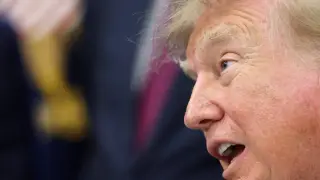
President Trump is expected to designate Jay Clayton, the current US director of national intelligence, as his artificial intelligence czar to oversee AI-related policy decisions across the administration. This appointment represents Trump's second selection for the position, following venture capitalist David Sacks' earlier tenure in the role. The move comes amid growing concerns from lawmakers and researchers about potential AI risks, though Trump has consistently minimized such concerns and opposed additional regulatory measures.
Jay Clayton, who currently serves as the nation's top intelligence official, is being tapped to coordinate artificial intelligence policy across federal agencies. This represents a shift in Trump's AI leadership strategy, as venture capitalist David Sacks previously held this coordinating role but has since departed from the administration, though he maintains an advisory capacity on the subject.
The appointment occurs against a backdrop of heightened concern within the scientific community and Congress regarding potential dangers from advanced AI systems. Researchers have raised alarms about accelerated timelines for serious risks, while both Democratic and Republican lawmakers have expressed concern about the technology's trajectory. Trump has maintained a skeptical stance toward expanded AI regulation and has characterized safety concerns as overblown.
Clayton's appointment could shape how federal agencies approach AI governance and interagency coordination. The move may influence regulatory decisions affecting private AI developers, research institutions, and technology companies. If Clayton prioritizes Trump's stated preference for minimal regulation, it could accelerate certain AI applications while potentially limiting safety-focused oversight mechanisms—outcomes that would matter significantly to lawmakers concerned about risks, industry stakeholders seeking regulatory clarity, and researchers advocating for precautionary measures.