Amazon's Billion-Dollar Community Investment Fails to Quell Data Center Criticism
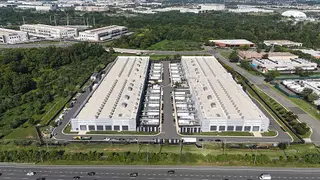
Amazon announced a $1 billion commitment over five years to communities affected by its data center expansion, including funds for education, job training, and energy affordability, while pledging not to increase local power bills or deplete water supplies. Environmental advocates dismissed the initiative as insufficient damage control, arguing Amazon is minimizing the pollution caused by its aggressive data center buildout. Critics particularly highlighted Amazon's plans to back a coal power plant expected to become the largest source of U.S. climate pollution.
Amazon's announcement includes commitments spanning education, workforce development, and utility affordability for affected communities, alongside pledges to maintain current power consumption levels and achieve water-positive operations by 2030. The company also eliminated nondisclosure agreements previously used in development negotiations, potentially increasing public visibility into future projects.
Environmental organizations contend that these measures inadequately address the broader infrastructure footprint of Amazon's expansion strategy. Critics point specifically to a planned power generation facility in Texas projected to produce emissions equivalent to powering nearly two million homes annually, arguing this single project eclipses the environmental benefits outlined in the company's community investment package.
The dispute reflects broader tension between rapid artificial intelligence infrastructure development and community-level environmental concerns. Local residents, environmental groups, and policymakers may weigh immediate economic benefits against long-term air quality, water usage, and energy costs. The outcome could influence how other technology companies structure data center expansions and whether regulators implement stricter pollution or environmental impact requirements for similar projects nationwide.