UN Development Chief Discusses Rebuilding Efforts Amid Ongoing Global Conflicts
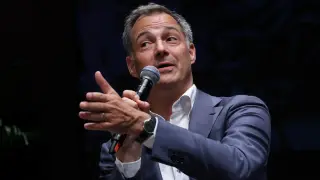
The administrator of the United Nations Development Program, Alexander De Croo, addressed challenges of reconstruction work in active conflict zones including Ukraine, Gaza, and Afghanistan. De Croo argued that development initiatives should proceed during ongoing crises rather than waiting for peace to be established, though financing and coordination remain significant obstacles. His remarks highlight tensions between maintaining humanitarian progress and navigating volatile security situations across multiple regions simultaneously.
The UNDP operates with an annual budget of approximately $5 billion, with the majority of its work—roughly 60 percent—taking place in regions experiencing active conflict or institutional fragility. De Croo's background as Belgium's former prime minister, during which he increased defense spending, provides an interesting contrast to his current role managing humanitarian reconstruction efforts. His leadership now focuses on securing funding for recovery initiatives across multiple crisis regions simultaneously, including war-torn nations and areas facing severe humanitarian challenges.
De Croo's advocacy for concurrent development work during active crises could reshape international reconstruction policy, potentially affecting how donor nations and multilateral organizations allocate resources. This approach may increase pressure on governments to commit funding while conflicts persist, rather than deferring reconstruction until peace agreements materialize. Affected populations in conflict zones could see improved access to essential services like electricity and healthcare, though implementation risks remain significant given volatile security conditions. The strategy's success may depend on donors' willingness to accept higher operational costs and potential losses in unstable environments.