September's Most Impactful Robotics Developments Span Humanoids, Software, and Commercial Deployment
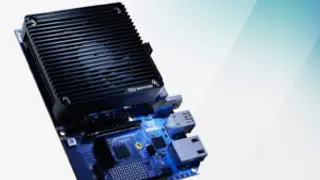
September 2026 saw significant robotics announcements across multiple areas, including Arduino's new edge AI development board, Boston Dynamics' humanoid training center, and Qualcomm's acquisition of robotics software firm PickNik. Major industry events including IMTS, ROSCon, and iROS generated innovations in automation, AI integration, and commercial robot applications. The month demonstrated accelerating progress in humanoid robotics, open-source manipulation software, and entertainment-focused robotic systems.
September 2026 demonstrated the robotics sector's diversification across multiple application domains. Major technology firms made strategic moves to consolidate capabilities, with Qualcomm's acquisition of PickNik positioning the company to integrate advanced manipulation software with its AI hardware platforms. Simultaneously, humanoid robot development accelerated through both established players and emerging startups, ranging from industrial manufacturing applications to consumer household assistance, indicating market expansion beyond traditional industrial automation.
Boston Dynamics' establishment of a dedicated training facility within Hyundai's manufacturing operations reflects growing confidence in deploying humanoids for real-world production environments. The month's open-source software releases, particularly from Intrinsic and the MoveIt framework, suggest the industry is broadening developer access to foundational robotics tools, potentially reducing barriers to innovation across organizations of varying sizes.
These developments could shape how businesses approach workforce augmentation and task automation in coming years. Broader access to robotics software may enable smaller companies to implement automated systems previously available only to large enterprises. Consumer-focused humanoids like Flourish One could influence household labor patterns if adoption increases. However, market volatility evident in Unitree's stock decline suggests investors remain uncertain about commercial viability timelines, which may affect venture funding flows supporting robotics startups.