Kena: Scars of Kosmora Pushed to 2027 as Ember Lab Expands Game Scope
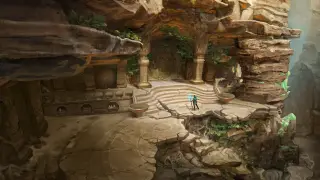
Ember Lab announced that Kena: Scars of Kosmora will not meet its originally planned 2026 release window, moving instead to 2027 to allow additional development time. The sequel will take players to the island of Kosmora, featuring four interconnected elemental cultures and introducing a crystalline canine companion that aids in traversal, combat, and puzzle-solving. The studio is leveraging the extra time to deliver a more expansive character-focused adventure with greater scope and quality than the 2021 original.
Ember Lab's decision to extend development reflects a broader industry trend of prioritizing quality over meeting predetermined timelines. The studio plans to use the additional year to expand Kena's world significantly, introducing the island of Kosmora with its four distinct elemental cultures and multiple temple locations. The new crystalline canine companion represents a meaningful gameplay evolution, expanding beyond the original game's mechanics to encompass traversal, combat, and environmental puzzle-solving across a larger adventure space.
The sequel's narrative direction marks a maturation of both the character and the franchise. Rather than focusing solely on external conflicts, Scars of Kosmora centers Kena's internal development as she transitions from helping spirits of the deceased to addressing unresolved trauma in her own life. This character-driven approach, combined with the expanded world-building, positions the game as substantially more ambitious than its 2021 predecessor.
The delay could influence consumer purchasing patterns and player expectations within the action-adventure genre, particularly among those anticipating story-driven experiences. Extended development cycles may signal to audiences that studios are willing to sacrifice commercial timelines for perceived quality, potentially reshaping how players evaluate release windows. For Ember Lab specifically, this delay affects their market positioning and may impact investor confidence, while potentially building stronger anticipation among an engaged fanbase awaiting more substantial gameplay innovations.