Kingdom Come developer hopes GTA 6 leads industry toward higher game pricing
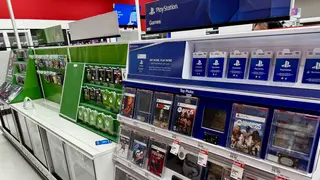
Warhorse's chief operating officer Martin Klima expressed hope that Grand Theft Auto 6's $80 price point will encourage other triple-A developers to raise their own prices amid rising development costs. Klima acknowledged that few publishers possess the market leverage to increase prices without facing consumer backlash, but believes Rockstar's scale positions GTA 6 as a potential trendsetter for the industry. Recent industry surveys show that 62% of engaged players now wait for discounts rather than purchasing games at full price.
The video game industry faces mounting financial pressures as development budgets for major titles continue climbing while the standard $60-$70 price point has remained relatively static for years. Take-Two Interactive's decision to launch GTA 6 at $80, with a premium $100 edition reportedly outselling standard versions, represents a significant test of consumer willingness to pay more. Warhorse's leadership views this pricing experiment as potentially beneficial for smaller studios struggling with escalating development costs and industry-wide layoffs.
Consumer purchasing patterns complicate the pricing discussion considerably. Survey data reveals a significant shift in buying behavior, with the majority of dedicated players now strategically delaying purchases to capitalize on sales and discounts. Generational differences further shape this dynamic, with younger players prioritizing community engagement and perceived value differently than older consumers accustomed to full-price day-one purchases.
If higher pricing becomes industry standard, it could create a bifurcated market where only franchises with established, loyal fanbases sustain full-price sales. Players may face higher barriers to entry, potentially affecting market diversity and independent studio competitiveness. Conversely, increased revenue could enable larger development budgets and reduce industry instability. The outcome may depend on whether consumers perceive proportional value increases alongside price hikes, or whether waiting for discounts becomes even more entrenched consumer behavior.