September employment data shows weak hiring as Triangle workers face tougher job market
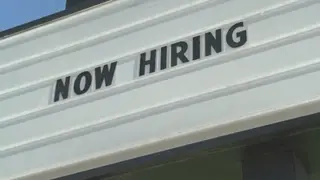
The September jobs report revealed only 29,000 new positions were created nationwide, far below economist expectations, while the unemployment rate rose to 4.2%, prompting concerns about the broader economy. Job seekers in the Raleigh-Durham area report increased competition and are exploring career changes, with some resorting to resume optimization using artificial intelligence keyword matching. Workforce experts note healthcare, manufacturing, and construction continue showing stronger hiring demand compared to other sectors.
September's employment figures marked a significant disappointment for the labor market, with job creation falling roughly one-third below analyst projections. The combination of weak hiring numbers and a rising unemployment rate has intensified concerns among economists monitoring overall economic health. In the Raleigh-Durham region specifically, job seekers report facing steeper competition as they pursue available positions across various sectors.
Industries such as healthcare, manufacturing, and construction have emerged as relative bright spots in the hiring landscape, offering more robust employment opportunities than many other fields. Career counselors have noted a shift in worker behavior, with some professionals reconsidering their career trajectories and exploring transitions into different sectors to improve their employment prospects.
A prolonged period of weak job growth could affect household finances across the Triangle region, potentially limiting consumer spending and economic activity locally. Workers may face extended job searches, forcing some to invest in additional training or certifications to remain competitive. Older workers and those without technical skills might experience particular difficulty, while employers relying on automated hiring systems could inadvertently overlook qualified candidates unfamiliar with resume optimization strategies. Broader economic uncertainty may influence consumer confidence and business investment decisions in the coming months.