Closing the data gap: Why B2B marketers struggle to prove business impact
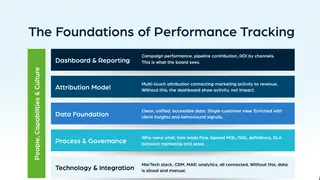
B2B marketing organizations often know they contribute to revenue but lack the data infrastructure to demonstrate it, creating a cycle where insufficient evidence leads to budget constraints and underperformance. The article argues that marketers need better measurement architecture to connect buyer journeys, touchpoints, and revenue attribution across the full sales cycle rather than relying on campaign-level reporting alone. Success requires disciplined methodology and willingness to act on directional data rather than waiting for perfect certainty.
B2B marketing departments face a structural challenge: while they understand their contributions to sales outcomes, the systems to quantify and communicate this impact remain underdeveloped. The article identifies three core measurement gaps that plague organizations—tracking buyer interactions across touchpoints, isolating which channels drive meaningful engagement, and calculating marketing's true influence throughout extended sales cycles. Current reporting approaches often oversimplify attribution by treating individual interactions as isolated events rather than components of longer customer journeys.
Addressing this measurement deficit requires foundational investments in data architecture and unified information systems rather than relying solely on campaign-level dashboards. Organizations must build interconnected layers beneath their reporting surfaces, including influence models linking activities to revenue, consolidated data foundations, and clearly defined process ownership. The author argues this infrastructure investment enables marketers to shift from defensive budget justification to proactive revenue optimization.
This challenge could significantly affect how technology and marketing budgets are allocated across industries. If B2B organizations lack visibility into marketing's revenue contribution, they may systematically underfund programs that deserve investment or misdirect resources toward easily measurable but less impactful initiatives. Conversely, improved measurement infrastructure could help marketing teams demonstrate genuine business value, potentially reshaping how sales and marketing departments collaborate and receive funding. The issue may particularly impact mid-market and enterprise organizations dependent on complex, multi-stakeholder sales processes.