New California Native American studies curriculum provides educators with comprehensive teaching materials
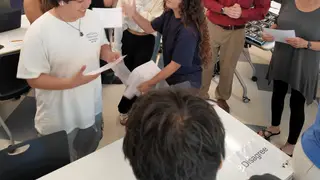
California's Native American Studies Model Curriculum, launched in 2025 with $4 million in state funding, offers hundreds of free lesson plans covering topics from tribal sovereignty to cultural practices across elementary through high school levels. Teachers like Greg Hinchliff at Bonsall High School are using the curriculum to help students explore complex historical and contemporary issues through multiple perspectives, including that of Native Americans, European settlers, and religious leaders. The curriculum provides educators with structured tools and resources to address complicated topics about indigenous peoples and their relationship with land and government.
California invested $4 million in 2021 to develop teaching resources addressing Native American history and contemporary issues across all grade levels. The project was led by representatives including Joely Proudfit from CSU San Marcos, who coordinated extensive consultation with the state's 109 federally recognized tribes and additional tribal communities. The resulting curriculum, released in 2025, comprises hundreds of free lesson plans designed to be integrated into existing coursework in history, social studies, and related subjects.
Teachers implementing the curriculum are collaborating with local tribal members to enhance instruction. At Bonsall High School, educator Greg Hinchliff partnered with John Machado, a Cupeño language instructor and member of the Pala Band of Mission Indians, to create supplementary materials and organize field trips. These partnerships provide students direct exposure to tribal perspectives, traditional ecological knowledge, and cultural sites, moving instruction beyond textbook content.
This curriculum initiative may affect educational outcomes for California's approximately 6 million K-12 students by offering structured frameworks for teaching complex historical narratives involving multiple stakeholder perspectives. Students could develop more nuanced understanding of indigenous sovereignty, land rights, and cultural practices. The program's success may depend on whether broader educator adoption occurs and whether meaningful community partnerships extend beyond individual classrooms, potentially influencing how Native American history is taught statewide.