Broadway Musical About Dolly Parton Announces Cast Handpicked by the Late Icon
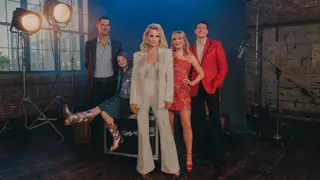
Katie Rose Clarke and Carrie St. Louis have been cast as adult Dolly Parton in the new Broadway musical DOLLY: A True Original Musical, with all five principal cast members personally selected by the late country music legend. The production begins previews December 7 at the St. James Theatre, with opening night scheduled for January 19, 2027, marking what would have been Parton's 81st birthday. The musical features both Parton's signature songs and new compositions she wrote specifically for the show, with a book co-written by Parton and direction by Tony Award winner Bartlett Sher.
The production represents a unique collaboration between Parton and creative team members who shaped it during her lifetime. Director Bartlett Sher, a two-time Tony winner, helms the project alongside book co-writer Maria S. Schlatter, an Emmy-winning producer. The musical weaves together Parton's most recognizable songs with newly composed pieces she created specifically for the theatrical adaptation, centering on her early ambitions and her decades-long marriage to Carl Dean.
The casting process reflects Parton's direct involvement in shaping the production. Beyond the two leads playing adult Dolly, young performer Norah Nunes was selected through an open casting call, while Gabriel Ebert and John Behlmann bring extensive Broadway experience to their supporting roles. The timing of opening night—January 19, 2027—deliberately coincides with what would have been Parton's 81st birthday, serving as a tribute to the late musician.
This Broadway production may influence how biographical musicals are developed and greenlit in the theater industry, particularly regarding artist involvement before passing. The partnership providing 30,000 free student tickets could expand Broadway's accessibility to younger and less affluent audiences, potentially shaping future attendance patterns. The show's success or reception might affect how legacy artists' estates approach theatrical adaptations and whether direct creative control becomes more commonly sought in similar projects.