Satirical Plush Toy Critiques AI Anthropomorphization by Emitting Data Center Hum When Squeezed
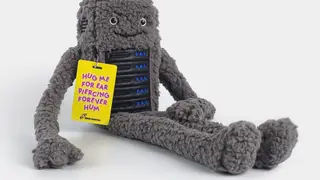
Artist Rajeev Basu created Bezzy, a deliberately cutesy plush toy designed to resemble a teddy bear but actually housing a server rack with LED indicators and audio circuitry that emits authentic data center noise when hugged. The handmade toy is part of a larger satirical project called "Adopt A Data Center" that critiques how technology companies present harmful infrastructure through approachable, adorable branding. When squeezed, Bezzy produces an ear-piercing hum captured from actual data centers, revealing the environmental and societal costs masked by cute marketing.
Rajeev Basu's creative practice centers on objects designed to provoke reflection about technology's invisible costs. His studio Basura has previously produced works like a phone-shaped book encouraging digital detox and shoes engineered to decompose while planting seeds. For this project, Basu partnered with musician Alan Wilkis, whose artistic identity explores data extraction and surveillance themes since 2012. The collaborative effort involved six months of research with residents living adjacent to data center facilities, particularly in Northern Virginia, a region housing over 500 such installations.
The "Adopt A Data Center" campaign mirrors charity donation mechanics, redirecting visitors toward environmental and public health documentation instead of offering traditional adoption certificates. The physical toy features handmade construction with deliberately worn aesthetics, contrasting deliberately cute plush elements—googly eyes and floppy limbs—against a server-rack panel embedded with LED indicators. The audio component uses genuine recordings captured from a Virginia resident living near an active facility.
This project may influence how consumers perceive AI infrastructure's environmental footprint and marketing strategies. Artists using satire to expose uncomfortable truths could shape public discourse around corporate messaging that obscures industrial impacts. The work might prompt viewers to question anthropomorphic branding used by technology companies. However, satire's effectiveness depends on audience reception—some may appreciate the critique while others simply find the object novelty. The broader impact on policy, corporate practices, or consumer behavior remains uncertain.