Ultrafast Pulses Expose True Limits of Superconductor Breakdown Before Vortex Formation
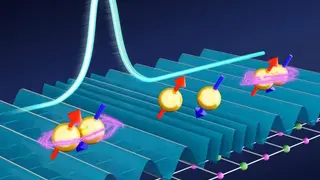
Scientists using picosecond-scale current pulses have bypassed the usual experimental constraints that prevent observation of superconductors' intrinsic failure point, revealing significant differences in how various superconducting materials break down. By delivering current before magnetic vortices can form and interfere, researchers reached the depairing current threshold where Cooper pairs begin to separate, uncovering quantum behavior invisible to conventional measurement techniques. This ultrafast methodology enables exploration of materials at their fundamental physical limits and may reveal previously hidden quantum properties.
Scientists have long struggled to measure superconductors' true breaking point because vortices—magnetic disturbances in the material—tend to move and generate heat before reaching the material's fundamental limit. This new technique uses extraordinarily brief current pulses, measured in picoseconds, to deliver electrical charge so quickly that vortices cannot respond in time. The approach essentially races past the interference that has historically masked the depairing current, the threshold where the paired electrons actually begin to separate.
The research team employed a specialized platform using laser-triggered photoconductive switches to generate these ultrashort electrical bursts. By keeping pulses to just a few picoseconds in duration, vortices traveling at tens of kilometers per second move only nanometers, preventing the energy loss and heating that normally terminates superconductivity prematurely. This methodology revealed previously hidden differences in how different superconducting materials respond at their intrinsic limits.
These findings could enhance superconductor design for practical applications like MRI machines, power transmission systems, and quantum computers, which rely on understanding material behavior under extreme conditions. By identifying how various superconductors actually fail at the quantum level, engineers may develop materials that tolerate higher currents or function more reliably. However, translating laboratory discoveries into commercial improvements typically requires years of additional development and testing before affecting consumer technologies or industry standards.