Bitcoin Reclaims $86,000 Level on Institutional Demand and Weakening Employment Report
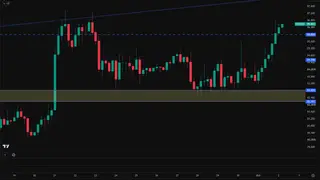
Bitcoin climbed above $86,000 on October 2, 2026, building momentum after the government reported only 29,000 new jobs in September, well below economist expectations and easing pressure on Treasury yields. Spot Bitcoin exchange-traded funds reversed prior day outflows by capturing $103 million in net inflows, with BlackRock's IBIT fund leading the institutional rebound. The SEC simultaneously announced a comprehensive custody framework designed to streamline crypto asset management for registered investment advisers.
Bitcoin's push past $86,000 reflected a convergence of factors that reduced headwinds for risk assets. The employment data released Friday morning showed significant softness in job creation, which typically eases expectations for aggressive interest rate policy and allows Treasury yields to decline from their multi-decade highs. This relief proved particularly significant given that elevated bond yields had constrained cryptocurrency prices in preceding sessions by increasing the opportunity cost of holding non-yielding assets.
Institutional participation drove the recovery, with major asset managers like BlackRock demonstrating renewed conviction through substantial fund inflows. The SEC's announcement of a custody framework for investment advisers signaled regulatory progress that could facilitate broader institutional adoption by clarifying operational requirements for professional crypto management.
This rally could affect multiple constituencies. Retail and institutional investors holding Bitcoin positions may see portfolio gains, while those considering entry might face pressure to act before further appreciation. The weakening employment picture could influence Federal Reserve policy decisions, potentially benefiting risk assets broadly. The SEC's custody guidance may lower barriers for wealth managers and pension funds considering crypto allocations, though broader economic softness raises questions about whether labor market weakness signals recessionary conditions that could eventually pressure all asset classes.