Prosecutor Failed to Examine Additional Evidence Before Declining Charges in Cornell Sexual Assault Case
A Tompkins County prosecutor decided not to pursue charges in an alleged gang rape at Cornell University based solely on the victim's initial statement, without reviewing witness interviews and other evidence collected by campus police. The accused woman has since filed a lawsuit against the university and seven fraternity members, with her legal team arguing that authorities conducted an inadequate investigation and made prejudgments based on her initial account. New York's Attorney General has been appointed as a special prosecutor to reassess whether charges should be filed.
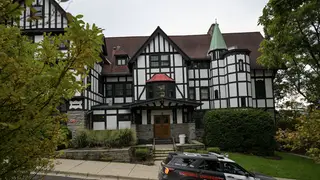
The alleged incident occurred at a Chi Phi fraternity house during an October 2024 party, where the complainant reported being sexually assaulted by multiple fraternity members while incapacitated by drugs and alcohol. Cornell's campus police department conducted a preliminary investigation that included witness interviews and collected anonymous tips within the first weeks of the case.
The prosecutor's office made its charging decision in late November 2024 based exclusively on the victim's initial written statement, which the DA's office determined did not establish sufficient evidence of criminal conduct. The victim subsequently pursued civil litigation against the university and the accused fraternity members, asserting that investigative failures and premature judgment closure prevented proper assessment of available evidence.
This case may influence how district attorneys approach sexual assault investigations, particularly regarding prosecutorial responsibility to thoroughly review investigative materials before declining charges. It could affect institutional policies at universities regarding cooperation with law enforcement and evidence preservation. The appointment of a special prosecutor may also set precedent for oversight mechanisms when local prosecutors face allegations of inadequate case evaluation, potentially reshaping how sex crime cases are handled in New York and similar jurisdictions.