Connecticut loses $2 billion in federal funding cuts under Trump administration
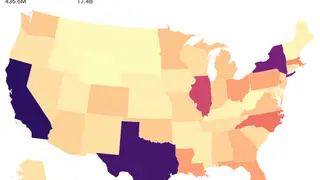
A new tracking tool reveals Connecticut is receiving approximately $2 billion less in federal funding under the Trump administration, with funding cuts affecting disaster relief, pollution control, and health initiatives. The largest single cut involves $341 million in disrupted disaster relief funds, while health-related grants have collectively lost the most funding across all categories. Connecticut is among 26 states suing the federal government over the distribution of federal funds, arguing the administration is unlawfully attaching political conditions to disaster preparation and response grants.
A newly developed tracking system that aggregates publicly available federal spending data has documented substantial reductions in money flowing to Connecticut from Washington. The disruptions span multiple sectors critical to state operations, with disaster preparedness experiencing the most severe single impact. Nationally, the pattern is more pronounced, with states collectively losing nearly $174 billion in anticipated federal support across various programs and initiatives.
Connecticut's legal response reflects a broader multi-state strategy to contest the funding reductions. The state has joined two dozen others in challenging what officials characterize as conditional restrictions attached to disaster-related grants, arguing these conditions contradict established federal grant procedures and constitutional principles governing how federal resources should be distributed to states.
The funding reductions could affect vulnerable populations and public infrastructure resilience across Connecticut. Residents depending on nutrition assistance, communities relying on disease control resources, and municipalities preparing for emergencies may face reduced services or delayed response capabilities. The litigation outcome could establish precedent for federal-state funding relationships and influence how future administrations distribute grants, potentially affecting not only Connecticut but the nationwide framework for federal support to states during emergencies and public health challenges.