Vatican Leader Criticizes AI-Generated Art as Lacking Human Creativity and Dignity
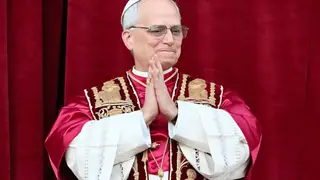
Pope Leo XIV issued a statement on X distinguishing human-created art from machine-generated outputs, arguing that algorithms lack the fundamental spark of humanity despite statistical sophistication. The Pope's position reflects broader Vatican concerns about human dignity in an era of automation, previously outlined in a May encyclical letter. Notably, technology company Anthropic has reportedly lobbied the Vatican to reconsider its stance on machine consciousness, with limited apparent success.
Pope Leo XIV's recent critique of AI-generated art represents an escalation of the Vatican's ongoing engagement with automation ethics. The pontiff's distinction between human creativity and algorithmic output—rooted in philosophical rather than merely aesthetic grounds—builds on themes introduced in a May encyclical addressing human dignity amid technological change. The statement gained particular weight through its social media platform, signaling the Church's effort to participate directly in contemporary tech discourse.
The Vatican's resistance to industry influence is noteworthy given reported lobbying efforts by major AI developers seeking reconsideration of the Church's stance on machine consciousness. These efforts have reportedly yielded minimal traction, suggesting institutional skepticism about claims regarding non-human awareness in current systems.
This statement could influence how religious communities and faith-based institutions approach AI adoption and policy. The Vatican's moral authority may amplify public debate around automation's cultural implications, potentially shaping attitudes among billions of Catholics and broader audiences toward AI-generated creative work. Conversely, the Church's position might face pressure from technology sectors seeking alignment with religious institutions on consciousness and dignity questions, affecting how these philosophical debates develop within corporate and policy circles.