Ethiopia's Tigray Conflict Escalates Into Regional Crisis With Diplomatic Ruptures
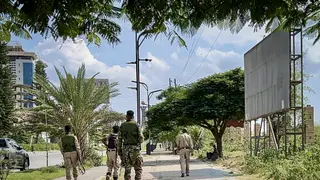
Ethiopia's renewed conflict in Tigray has expanded into a broader regional confrontation as Eritrea severed all diplomatic ties and Egypt expelled an Ethiopian diplomat following similar actions by Addis Ababa. The Ethiopian government accuses Eritrea, Egypt, and Sudan of supporting the Tigray People's Liberation Front, while blasts have struck the capital and over 150,000 people have been displaced in the Afar region. The escalation marks a significant shift from the 2020-2022 war, with former allies now backing opposing sides in the conflict.
The current conflict represents a dramatic realignment of regional partnerships compared to the previous 2020-2022 war. Eritrea and Amhara militias previously fought alongside Ethiopia's federal forces against the TPLF, but today's alliance structure has fractured, with former allies now positioned on opposing sides. Ethiopia's leadership has cited territorial ambitions, particularly efforts to secure Red Sea access, as contributing to regional tensions. The diplomatic escalation accelerated rapidly, with embassy closures and expulsions occurring within a single day, suggesting deep mutual distrust among neighbors.
The humanitarian toll has already mounted significantly in early stages. Tigrayan and allied forces achieved initial military gains by capturing regional airports and advancing into neighboring territories, prompting Ethiopian Airlines to suspend operations in the affected zone. Communications infrastructure across Tigray, Afar, and parts of Amhara has been disabled, complicating humanitarian response efforts and casualty assessments. Displacement figures in Afar alone have reached at least 150,000 people.
This escalation may substantially impact regional stability across the Horn of Africa, potentially drawing in neighboring states more directly and complicating international diplomatic efforts. The involvement of multiple countries with competing strategic interests—Egypt's water security concerns, Eritrea's port ambitions, Sudan's internal conflict—could transform Ethiopia's internal dispute into a broader proxy confrontation. Millions of civilians in the affected regions face increased risks from combat, displacement, and humanitarian access restrictions, while regional economic ties and trade relationships may deteriorate amid diplomatic ruptures.