Scientists Identify Structural Weakness in Cancer-Driving Circular DNA Fragments
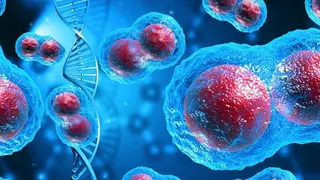
Researchers at Memorial Sloan Kettering Cancer Center discovered that extrachromosomal DNA (ecDNA)—circular DNA fragments found in approximately one in six cancers that amplify cancer-driving genes—contains inherent structural fragility that could be exploited therapeutically. The study identified weak points in ecDNA containing repetitive TA sequences that form unstable cross-shaped structures prone to breaking, revealing that cancer cells depend on specialized repair proteins to maintain these fragile circles. By blocking these protective repair mechanisms, scientists may be able to selectively destabilize ecDNA and undermine aggressive tumors that rely on this genetic material.
Extrachromosomal DNA exists as circular genetic material separate from chromosomes and appears in a substantial minority of human cancers. Its presence has been consistently associated with more aggressive disease progression, reduced treatment efficacy, and diminished patient outcomes. The discovery that ecDNA contains inherent structural instability—particularly in regions with repetitive sequences—represents a significant shift in understanding how these fragments persist despite their fragile nature.
Cancer cells maintain ecDNA through a two-stage protective system: one protein prevents structural deformation before breaks occur, while another repairs damage after breakage happens. By targeting the repair mechanism experimentally, researchers demonstrated that cancer cells progressively lost their ecDNA circles, while normal cells remained largely unharmed. This selective vulnerability suggests a potential therapeutic avenue distinct from conventional cancer treatments.
If validated clinically, targeting ecDNA's structural weaknesses could offer treatment options for approximately one in six cancer patients whose tumors carry these fragments. Since ecDNA-dependent cancers demonstrate treatment resistance and aggressive behavior, selective destabilization might improve outcomes for difficult-to-treat cases. The approach could potentially work alongside existing therapies or benefit patients who have exhausted conventional options. However, translating laboratory findings to effective clinical interventions typically requires years of testing to establish safety and efficacy in human patients.