New books examine design and cultural significance of video games from arcades to dystopian worlds
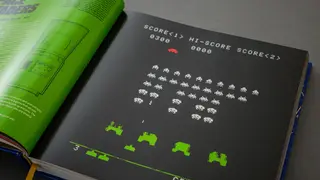
Three recently published volumes investigate the artistic and architectural dimensions of video game design, covering everything from the history of arcade machines to influential home computers and contemporary game environments. One title, Videogame Architecture, expands on a previous atlas to examine how designers create fantastical cities and structures in games like Bioshock and Half-Life 2, exploring the architectural references that shape these digital worlds. Together, these books provide scholarly analysis of how visual and spatial design has evolved across different eras of gaming.
The publishing landscape for video game studies has expanded significantly in recent years, with academic publishers like Thames & Hudson establishing a track record of examining gaming through scholarly lenses. The Videogame Architecture volume builds directly on the foundation of a previous atlas, demonstrating how publishers are developing comprehensive series that progressively deepen exploration of specific design elements within games. Meanwhile, Bitmap Books has carved a niche focusing specifically on gaming history and visual culture, leveraging extensive archival materials and creator interviews to document an era when individual designers shaped entire games rather than working within hierarchical production teams.
These publications may influence how gaming is perceived within cultural and educational institutions, potentially elevating video game design to the same analytical status traditionally reserved for architecture and cinema. By establishing visual design and world-building as worthy subjects for scholarly examination, these books could shift audience understanding of games as artistic rather than purely entertainment products. This academic legitimization might also affect game development curricula and critical discourse surrounding the medium, though uptake would likely remain concentrated among enthusiast audiences and academic communities interested in design history.