Tarantino's Hidden Gem Spaghetti Western Recommendations Beyond Leone Classics
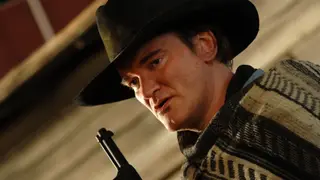
Director Quentin Tarantino has long championed lesser-known spaghetti westerns beyond the typically celebrated films of Sergio Leone. During an interview while filming Inglourious Basterds, Tarantino shared his personal top 20 spaghetti westerns, many of which remain underappreciated despite their quality and innovation. These overlooked gems showcase the genre's versatility through political revolution narratives, psychological drama, and operatic violence, featuring actors like Franco Nero and Lee Van Cleef.
Quentin Tarantino's endorsement of overlooked spaghetti westerns stems from his decades-long fascination with the genre's visual language and musical composition. During production of Inglourious Basterds, he compiled a curated top 20 list that distinguishes between Leone's canonical works and innovative films by contemporary directors. These alternative selections demonstrate how the spaghetti western format accommodated diverse storytelling approaches, from revolutionary narratives to psychological explorations of mentorship and moral corruption.
The featured films showcase the genre's range through distinct thematic concerns. The Mercenary uses political upheaval to examine ideological conflicts between characters, while Day of Anger reframes the gunslinger archetype through a dynamic exploring power, corruption, and disillusionment. Both films feature accomplished cinematography and original scores, establishing that quality and artistic ambition existed beyond Leone's most celebrated productions.
This story may influence film discovery patterns among cinephiles and streaming platform consumption habits, as Tarantino's recommendations carry considerable weight in contemporary film discourse. General audiences seeking alternatives to mainstream westerns could redirect attention toward lesser-distributed international films, potentially affecting market demand and restoration efforts for archived prints. The article may also reinforce scholarly interest in comparative analysis of Italian genre cinema and directorial voices working outside canonical frameworks during the 1960s-70s period.