Canada's Retail Construction Plummets While Grocery-Focused Development Surges
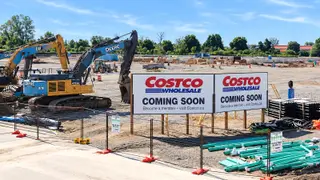
Canadian retail construction starts have declined more than 40 percent in 2026 to their lowest level in a decade, with total space under development falling to 4.9 million square feet. Developers are increasingly concentrating new projects in neighbourhood centres anchored by grocery stores, with 96 percent of daily-needs centres completed since 2022 featuring grocery tenants compared to 74 percent in prior years. The shift reflects investor preference for lower-risk, necessity-based retail while traditional malls and power centres face reduced development activity.
Canada's retail construction sector is experiencing a significant contraction, with developers focusing their limited investment on neighbourhood-based properties rather than large enclosed malls. The concentration of activity in grocery-anchored centres reflects a deliberate strategy by the investment community to prioritize stability and consumer necessity over discretionary retail formats. Regional variation is pronounced, with Alberta's expansion driven by population growth in residential areas, while Toronto faces a more severe squeeze due to reduced new supply entering the market.
This shift may create accessibility challenges for retailers seeking prime locations, as the tight supply of available space could force smaller operators and non-grocery tenants to accept less desirable sites or higher costs. Consumers in mature urban markets like Toronto might face reduced retail choice if development doesn't keep pace with demand. Conversely, the focus on necessity-based retail could ensure more stable community shopping options, though it may limit variety and competition in certain neighbourhoods.