Federal Judge Strikes Down Noncitizen Voting Ban, Citing State Authority Over Election Rules
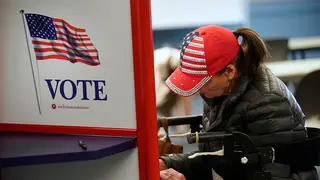
A Biden-appointed federal judge ruled that the 1996 law prohibiting noncitizens from voting in federal elections is unconstitutional as applied to a Jamaican-born woman who voted in 2020. The judge determined that states, not Congress, have the constitutional authority to set voter qualifications in federal elections. The ruling conflicts with the Trump administration's recent push to prevent noncitizen voting through prosecutions and voter roll verification efforts.
U.S. District Judge David Leibowitz's 31-page decision centered on Chelsea Cox, a Jamaican national who cast a ballot during the 2020 presidential contest. The judge determined that constitutional structure assigns states exclusive power to establish voter eligibility standards for federal elections, making the 1996 federal statute that criminalizes noncitizen voting an unconstitutional overreach of congressional authority.
The ruling emerged amid intensified government efforts to identify and prosecute noncitizens on voter rolls. Legal experts anticipate the decision will face appellate review, with critics arguing Congress retains separate authority over naturalization and immigrant activities under Article I. The case reflects broader tensions between federal and state election governance.
This decision could significantly impact election enforcement strategies at both state and federal levels. If upheld, it may constrain prosecutorial options for voting integrity violations and complicate citizenship verification efforts on voter rolls. Conversely, reversal could strengthen federal enforcement mechanisms. The ruling may also influence pending legislation like the SAVE Act and shape how courts balance federalism principles against electoral administration, potentially affecting millions of voters and policymakers nationwide seeking clarity on voter qualification authority.