Ukraine Peace Negotiations Include Contested Oil Deal Linked to Trump Envoys
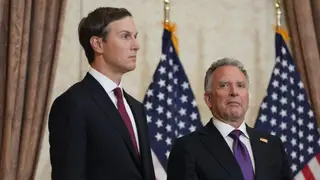
Trump administration negotiators Jared Kushner and Steve Witkoff are involved in discussions with Russia over ending the Ukraine conflict that include a multibillion-dollar oil deal benefiting Middle Eastern executives connected to both men, according to reporting by The New York Times. Russian President Putin proposed the arrangement during September talks involving the acquisition of oil fields and refineries worldwide by Russia's Lukoil company. Administration officials claim the negotiators are ensuring substantial financial benefits for the United States, though the arrangement has raised concerns about potential conflicts of interest.
The reported oil transaction centers on Russia's state-connected Lukoil company pursuing global energy assets, with the arrangement reportedly introduced by Putin during direct talks with U.S. negotiators in early September. The proposed deal involves infrastructure across multiple continents, including retail gas stations on U.S. soil, and incorporates business interests from the Middle East alongside American investors with existing ties to the Trump administration's negotiating team.
The four-year Ukraine conflict has created conditions where energy markets and geopolitical leverage have become intertwined. Administration representatives assert the negotiators are structuring terms to generate revenue for the United States, while simultaneously acknowledging that the individuals involved maintain prior business relationships with entities participating in the proposed arrangement.
The arrangement raises questions about how financial incentives may influence diplomatic negotiations affecting millions of people across Ukraine, Europe, and beyond. Stakeholders could include Ukrainian civilians and military personnel affected by conflict duration, Russian and Western energy markets that might experience significant shifts, and international observers assessing whether U.S. foreign policy decisions balance national economic interests against diplomatic independence. The potential alignment of negotiators' business networks with deal participants may affect public confidence in whether settlement terms prioritize broader geopolitical stability or narrower financial returns.