Proposed SEC Rule Change Would Eliminate Shareholder Climate Advocacy Tool
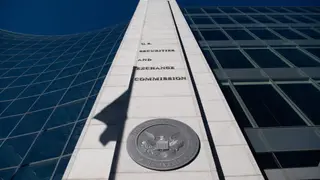
The Securities and Exchange Commission is proposing to eliminate a rule permitting shareholders to formally petition companies on environmental and climate issues, effectively removing a key mechanism for pressing corporations toward sustainability action. Investor groups and advocacy organizations argue that scrapping this rule would block shareholder pressure that has historically prompted companies to increase transparency on emissions targets and address environmental impacts in supply chains. The change would eliminate one of the few structured pathways available to the public and investors for addressing corporate climate risks.
The Securities and Exchange Commission established the shareholder proposal mechanism in 1942 as a mechanism for investors to formally submit recommendations to publicly traded companies for consideration at annual meetings. While these proposals carry no legal force, companies often respond when they receive substantial shareholder support. Data shows that most firms encounter such proposals infrequently—approximately once every 7.7 years on average—though energy companies face considerably higher submission rates, particularly from climate-focused advocates.
The proposed elimination would affect ongoing corporate accountability efforts. During the 2026 shareholder season alone, investor coalitions filed over 400 proposals, with roughly one-eighth addressing climate-related concerns. Past campaigns have prompted meaningful corporate changes, including transparency improvements on emissions targets and supply chain environmental assessments, as demonstrated by companies like Home Depot responding to deforestation proposals.
The rule change could reshape corporate governance dynamics for both investors and environmental advocates. Shareholders would lose a structured mechanism to pressure companies on climate risks that may affect long-term financial performance, potentially reducing corporate transparency on emissions and sustainability practices. Conversely, the SEC frames the change as empowering states, suggesting a federalism-based rationale. The outcome may particularly influence how large energy firms address climate accountability, as these companies currently face disproportionate shareholder scrutiny compared to other industries.