Court Halts Border Wall Project in Big Bend to Protect Conservation and Biodiversity
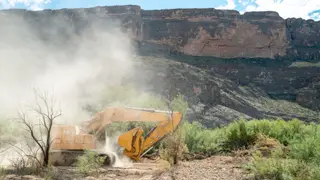
A federal judge issued a preliminary injunction halting border wall construction across the expansive Big Bend sector in Texas, including areas spanning national and state parks. The ruling came after testimony from conservation groups and regional residents who argued that the construction threatened the region's international significance for dark skies, biodiversity, and natural landscape features. The injunction will remain in effect across the entire 500-mile Big Bend sector while the court reviews whether the federal government complied with all applicable environmental laws.
A federal court in Texas has temporarily blocked border wall construction across a 500-mile region that includes protected park lands and environmentally sensitive areas. The injunction came after the court heard testimony about threats to the region's ecological importance, including its designation for exceptional dark sky preservation and wildlife habitat. The halt prevents the government from operating under broad legal waivers that had suspended multiple environmental and historical protection laws to expedite construction.
The border barrier project has involved shifting construction approaches since early 2026, moving between different materials and locations within the sector. A temporary pause in work inside Big Bend National Park in mid-August was lifted this week before the court's injunction took effect, and separate construction had resumed on steel barriers in adjacent counties.
The ruling may affect how federal agencies balance infrastructure projects with environmental protections in sensitive regions. Local communities and conservation organizations could see the outcome as establishing precedent for challenging federal waivers of environmental law, while others may view it as delaying critical border infrastructure. The case's resolution during ongoing litigation could influence future decisions about which laws apply to border security projects and how thoroughly agencies must assess environmental impacts before proceeding with construction in protected areas.