Pacific agricultural sector demands greater participation in climate policy discussions
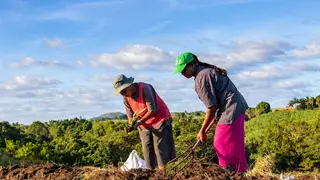
Farmers throughout the Pacific region lack meaningful representation in climate change negotiations despite being significantly affected by environmental policy decisions. An advocacy organization is working to amplify agricultural voices and ensure that farming communities have input into climate solutions affecting their livelihoods.
Agricultural communities across the Pacific region have historically held limited influence in international climate negotiations, despite facing direct consequences from environmental policies implemented at regional and global levels. This exclusion creates a significant gap between decision-makers and those whose economic survival depends on land and water resources most vulnerable to climate impacts.
An advocacy organization is actively working to bridge this representation gap by elevating the voices and concerns of farming communities. By ensuring agricultural stakeholders participate meaningfully in climate policy discussions, these efforts seek to create more balanced solutions that account for the practical realities and sustainability needs of the farming sector.
This representation challenge could affect food security outcomes and rural economic stability across the Pacific. Farmers excluded from policy development may face difficulties implementing climate strategies misaligned with their operational realities. Conversely, greater agricultural participation in negotiations could potentially yield more effective, locally-adapted climate solutions. The outcome may influence both environmental policy effectiveness and the livelihood sustainability of Pacific farming communities.