Powered exoskeletons prove their worth in real-world applications across industries
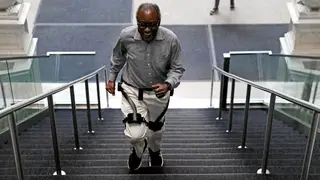
Exoskeleton technology is moving beyond research labs into widespread practical use, with rescue teams, military forces, and major manufacturers like IKEA, Ford, and Boeing deploying the devices to enhance worker strength and endurance. Recent field tests in Finland and Ukraine demonstrate measurable benefits including reduced fatigue and improved performance during physically demanding tasks. The global exoskeleton market, currently valued around $500 million, continues expanding as both commercial and consumer versions become available.
Exoskeleton adoption represents a significant shift from theoretical research to practical deployment across multiple sectors. Military applications have demonstrated tangible benefits, with Ukrainian forces reporting enhanced endurance and faster work rates among soldiers using the technology in combat situations. The industrial sector has similarly embraced the devices, with major manufacturers integrating them into assembly operations to support workers handling substantial materials.
The technological foundations enabling this expansion are relatively recent. Advancements in affordable robotic motors, sensor technology, and electronic control systems over the past decade have made commercial viability possible. While the conceptual basis dates to the 1890s, modern implementations represent a substantial leap forward in engineering capability and practical application.
Widespread exoskeleton adoption could reshape labor practices across manufacturing, rescue, and military operations by reducing worker fatigue and injury risk. As market projections suggest potential growth to over a billion dollars by the mid-2030s, accessibility questions may emerge regarding cost barriers for smaller organizations. The technology could improve workplace safety and emergency response effectiveness, though questions about long-term physical effects, training requirements, and equitable distribution across industries remain to be fully addressed.