Researchers Emphasize Spoken Language as Foundation for Reading Success
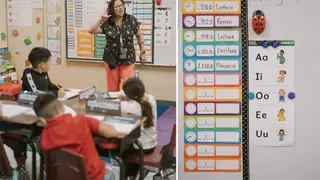
Reading experts gathered at the Reading League conference highlighted the critical role of oral language development in children's literacy achievement, noting it should be considered foundational to all reading instruction components. Some researchers have begun referring to oral language as the "sixth pillar" of reading, complementing the five essential components identified in the National Reading Panel's 2000 report. Educators emphasized that intentional classroom practices, including strategic questioning and conversational techniques, are necessary to develop students' spoken language skills.
The Reading League conference brought together researchers advocating for a fundamental shift in how educators approach literacy instruction. Participants discussed how children's ability to use and understand spoken language—ranging from basic sound production to complex storytelling and specialized vocabulary—directly influences their capacity to comprehend written material. Brain research presented at the conference demonstrated measurable differences in language-processing areas between children who engaged frequently in back-and-forth conversations with adults and those with limited conversational interaction during early development.
Teachers can strengthen students' oral language by maintaining focused discussions on single topics across multiple exchanges, posing questions that require extended responses rather than yes-or-no answers, and modeling sophisticated language patterns. Research showed that when educators incorporated complex grammatical structures in their speech, students naturally adopted similar patterns in their own communication.
If schools implement these recommendations systematically, reading outcomes could improve significantly, particularly for disadvantaged students who may have fewer conversational opportunities outside the classroom. The emphasis on oral language development could reshape early childhood and elementary curricula, requiring professional development for teachers and potentially affecting resource allocation. However, success may depend on whether districts provide adequate training and classroom time for these structured language practices alongside existing reading instruction demands.